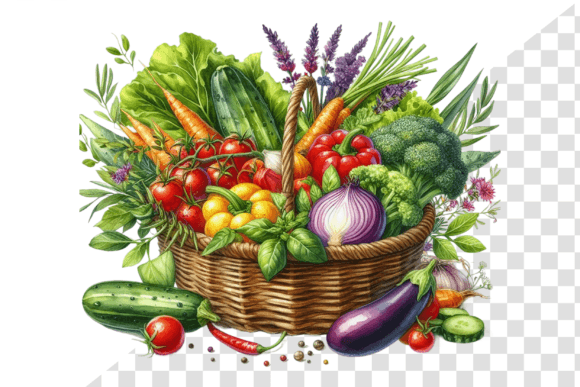
Veggie Basket Clip Fresh Watercolor Review
As a designer who spends more time behind an embroidery machine than a computer screen, I approach every new digital asset with a healthy dose of skepticism. We have all downloaded files that look stunning on a monitor but turn into thread nests or stiff cardboard patches once stitched out. When I first opened the Veggie Basket Clip Fresh Watercolor file, I wasn't just looking at pretty pixels; I was mentally mapping stitch paths, evaluating color transitions, and imagining how this illustration would translate from screen to fabric. For fellow makers, Etsy sellers, and apparel decorators, the gap between digital art and tangible product is where your reputation lives or dies. Here is my honest, practical assessment of using this design in a real-world production environment.
Translating Watercolor Aesthetics to Thread
The immediate appeal of this Veggie Basket Clip Fresh Watercolor lies in its organic, hand-painted feel. In the realm of Illustrations, watercolor styles are notoriously difficult to digitize effectively because they rely on soft edges and color blending, whereas machine embroidery is inherently structured and layered. My first impression was relief; the design does not try to force photorealism. Instead, it embraces a stylized, artistic interpretation that plays to the strengths of thread.
Visually, the composition feels balanced without being rigid. The basket provides a necessary anchor, while the vegetables offer varying shapes that prevent the design from looking boxy. For a handmade product, this matters immensely. Customers can spot a generic, auto-digitized stock image from a mile away. This design carries a visual personality that suggests intentionality. It feels like something you would find in a high-end boutique rather than a big-box craft store, which immediately elevates the perceived value of whatever item you choose to embellish.
Real-World Application: The Market Tote Test
To truly evaluate this machine embroidery design, I needed to move beyond the software and into the hoop. I decided to test it on a natural canvas market tote bag, a staple for any craft business or farmers' market vendor. Totes present specific challenges: the fabric is textured, the surface is rarely perfectly flat during stitching, and the end user expects durability.
During the stitch-out, the design performed admirably. The transition between the basket weave texture and the smoother vegetable elements utilized a smart mix of fill stitches and satin stitch accents. This variation in stitch density is crucial. If the entire design were dense fill, the tote bag would become heavy and prone to puckering. If it were all running stitch, it might look unfinished. The Veggie Basket Clip Fresh Watercolor strikes a balance that maintains fabric drape while providing enough coverage to read clearly from a distance.
For those creating custom apparel or sweatshirt embroidery, this aesthetic translates beautifully to lighter-colored garments. I envision this working exceptionally well on cream, sage, or blush sweatshirts where the watercolor tones can blend softly with the fabric background. However, as a tote bag design, it truly shines because the theme matches the function. A customer buying a reusable produce bag wants imagery that reflects sustainability and freshness. This design delivers that narrative instantly, making it a strong candidate for best-selling shop inventory.
Fabric Compatibility and Technical Caution Zones
While versatile, no embroidery file is universal. Based on my review, there are specific scenarios where you should proceed with caution. The watercolor effect relies heavily on subtle thread color changes. On dark fabrics, these nuances often get lost unless you add a white underlay or base layer, which significantly increases stitch count and stiffness. If you plan to use this for sweatshirt embroidery on navy or black fleece, test a swatch first. You may find the design needs modification to maintain its airy, fresh aesthetic.
I would also advise against using this design on highly stretchy performance fabrics or thin jersey knits without significant stabilization. The varying stitch directions required to mimic brushstrokes can cause distortion if the fabric shifts. For baby embroidery items like onesies, ensure you use a lightweight cut-away stabilizer and perhaps reduce the density slightly to keep the garment comfortable against sensitive skin. Always check the final hand-feel; a beautiful design is useless on baby clothes if it feels like sandpaper.
Furthermore, consider the hoop size limitations. While the clip art format suggests scalability, watercolor-style embroidery often loses definition when shrunk too small. Tiny details in the vegetable leaves or basket weave may merge into indistinct blobs below a certain threshold. Conversely, scaling up too large without adjusting stitch parameters can result in gaps or excessive thread usage. Always respect the digitizer's intended size range to preserve the integrity of the artwork.
Commercial Viability for Makers and Sellers
For Etsy sellers and small shop owners, the commercial viability of a design hinges on uniqueness and reproducibility. The Veggie Basket Clip Fresh Watercolor scores high on both. It avoids the overly cutesy cartoon style that saturates the market, appealing instead to adults seeking cottagecore, farmhouse, or eco-conscious aesthetics. This broadens your potential customer base for holiday embroidery, kitchen linens, and personalized gifts.
When listing finished products, this design photographs well. The soft colors and recognizable shapes make for excellent printable mockup material and social media content. Buyers engage with products they can visualize in their own lives, and this illustration evokes a lifestyle of slow living and domestic warmth. Whether you are selling physical embroidered tea towels or licensing design assets for other creators, the professional presentation of this artwork supports higher price points and builds brand trust.
Essential Pre-Stitch Checklist for Success
Before you commit this design to a final embroidered patch, apron, or retail product, run through this practical checklist derived from my testing experience:
- Verify Licensing: Confirm whether your purchase includes commercial rights for selling physical goods versus digital files. Never assume; always check the specific terms provided with the digital embroidery file.
- Test on Scrap Fabric: Use the exact fabric and stabilizer combination intended for the final project. Check for registration issues between color blocks.
- Audit Thread Colors: Watercolor designs depend on specific shading. Compare your thread palette to the design chart. Substitutions can flatten the 3D effect.
- Check Stabilizer Weight: Ensure your stabilizer supports the stitch density. Textured fabrics like linen or canvas may require a topping to prevent stitches from sinking.
- Review Small Details: Inspect the smallest text or line work. If they are thinner than your needle width, they may need editing or removal for smaller applications.
- Mockup Testing: Create a black and white version of your product photo. If the design disappears without color, it lacks sufficient contrast and value structure.
Final Thoughts on Design Integrity
The Veggie Basket Clip Fresh Watercolor is more than just a seasonal graphic; it is a functional design asset that respects the medium of embroidery. It understands that thread has texture, sheen, and dimension that ink cannot replicate. For the experienced maker, it offers a reliable foundation for creating products that feel curated and high-quality. For the beginner, it serves as an excellent example of how illustrative styles can be successfully adapted for machine stitching.
Ultimately, your success with this design depends on respecting its technical requirements and matching it to the right substrate. When paired with appropriate fabrics and executed with proper stabilization, it transforms simple textiles into desirable, sellable goods. Take the time to test, adjust, and verify, and this design will likely become a recurring favorite in your commercial embroidery rotation.