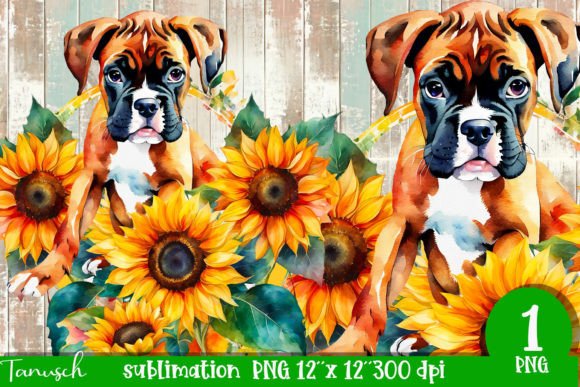
Watercolor BOXER Sublimation: A Designer’s Review
When evaluating digital assets for mixed-media projects, the transition from screen to stitch is rarely seamless. As a designer who regularly bridges the gap between sublimation and machine embroidery, I approached the Watercolor BOXER Sublimation file with a critical eye. While categorized under Illustrations, this asset presents unique opportunities and challenges for makers. My recent project involved creating a custom apparel line featuring vintage-inspired boxer motifs for a boutique client. The goal was to merge the soft, artistic bleed of watercolor aesthetics with the tactile permanence of embroidery. This review breaks down how this specific design performs when adapted for real-world production, moving beyond the digital preview to assess its viability for finished products.
First Impressions and Artistic Translation
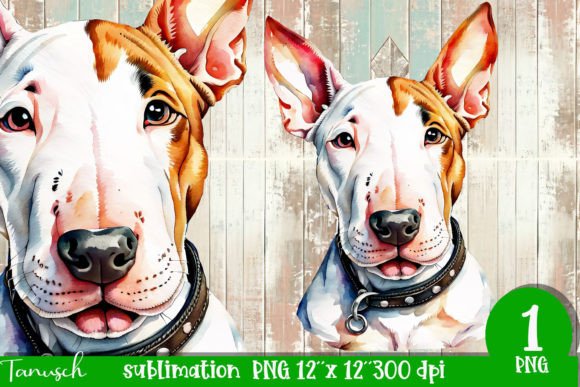
The initial appeal of Watercolor BOXER Sublimation lies in its organic edge work and tonal variation. Unlike rigid vector art, this illustration carries a hand-painted personality that suggests movement and nostalgia. For an embroidery designer, however, "watercolor" is often a red flag. Traditional satin stitch and fill stitch techniques struggle to replicate the translucent layering of paint. When I first loaded this embroidery file into my digitizing software, I immediately assessed the contrast levels. The soft gradients that look beautiful on a monitor can easily turn into muddy, dense thread blocks on fabric.
For my test case—a heavyweight cotton sweatshirt intended as a personalized gift—I had to determine if the design should remain purely sublimated or serve as a guide for an applique design. The visual mood is undeniably playful yet sophisticated, making it ideal for adult apparel or nursery decor. However, the intricate edges typical of watercolor illustrations require careful interpretation. If you plan to use this as a base for embroidery, expect to simplify the outer boundaries. The charm of this asset is in its imperfection, but your machine demands precision. Balancing these two realities is the key to maintaining the design's integrity while ensuring stitch clarity.
Performance Across Different Applications
In practical application, Watercolor BOXER Sublimation shines brightest when used as a hybrid element. During my sweatshirt project, I utilized the sublimation print for the internal shading and color complexity, reserving embroidery for structural outlines and text. This approach preserves the artistic intent without overloading the garment with excessive stitch density. For Etsy sellers and small shop owners, this hybrid method increases perceived value. Customers appreciate the vibrant color of sublimation combined with the premium texture of thread.
However, if you intend to convert this illustration entirely into a machine embroidery design, manage your expectations regarding detail. The design works exceptionally well for tote bag designs and pillow covers where there is ample space for running stitch details to mimic brush strokes. Conversely, for baby embroidery or items requiring frequent washing, the delicate nature of the original artwork must be reinforced. I found that adding a subtle satin stitch border helped anchor the floating watercolor elements, giving the handmade product a professional finish that prevents the design from looking like a mere print. For commercial embroidery projects targeting holiday markets, this motif offers a distinct alternative to generic clip art, provided the execution respects the medium's limitations.
Navigating Fabric Constraints and Technical Limits
Not every canvas suits this aesthetic. Watercolor BOXER Sublimation requires thoughtful placement. On textured fabrics like linen or terry cloth, the fine details of the illustration will disappear. I strongly advise against using this design on highly stretchy knits without significant modification; the distortion during hooping will warp the fluid lines of the boxer motif. Dark fabrics present another hurdle. Since watercolor relies on light passing through layers, stitching this onto black or navy material necessitates a white underlay or a complete color inversion, which fundamentally alters the design's character.
Hoop size is another critical factor. While the illustration may look crisp at 8x8 inches, scaling it down for a cap or sleeve cuff risks losing definition. Small hoop sizes force a reduction in stitch count that can render the watercolor effect unrecognizable. Furthermore, curved surfaces like caps are generally unsuitable for this specific style unless you are only using the central focal point. The flat, expansive nature of the watercolor wash does not translate well to the radial distortion of headwear. Always consider the physical topography of your blank before committing to this design asset.
Elevating Product Value and Brand Trust
Using high-quality illustrations like Watercolor BOXER Sublimation signals professionalism to buyers. In the saturated market of digital embroidery files and craft business merchandise, unique artistic styles create brand recognition. When a customer sees a thoughtfully executed adaptation of this design, they understand that time and expertise went into the finished product. It moves the item from "craft fair casual" to "boutique quality."
This impact extends to digital product previews as well. If you are selling the adapted embroidery version or using it in printable mockups, ensure your photography captures the interplay between the ink and the thread. Flat, overlit photos flatten the watercolor effect. Natural lighting reveals the texture that justifies a higher price point. For creative entrepreneurs, consistency in how this illustration is presented across listings builds trust. Buyers need to see that the delicate aesthetic holds up in reality, not just in the digital rendering. This transparency reduces returns and increases positive engagement.
Essential Notes for Makers and Designers
Before launching Watercolor BOXER Sublimation into production, adhere to these practical guidelines to ensure success:
- Test on Scrap Fabric First: Never run this design on a final product without a test stitch-out. The interaction between watercolor gradients and thread sheen varies wildly by manufacturer.
- Verify Licensing Terms: Confirm whether the license permits commercial embroidery, sublimation, or both. Some illustration licenses restrict usage to digital prints only.
- Check Stitch Density: If converting to embroidery, reduce density in shaded areas. Heavy fill stitch over sublimation ink can cause puckering and needle damage.
- Select Proper Stabilizer: Use a cut-away stabilizer for knit garments to support the weight of any added embroidery. Tear-away is rarely sufficient for detailed illustrations.
- Contrast Check: View the design in grayscale before stitching. If the values blend together in black and white, they will lack definition in thread.
- Mockup Validation: Create realistic mockups showing the design on the actual fabric texture you intend to use. This helps identify scale issues before production.
- Thread Color Matching: Do not rely on auto-digitizing color matching. Manually select thread colors that complement, rather than exactly match, the sublimation ink to add depth.
Ultimately, Watercolor BOXER Sublimation is a versatile asset for the experienced maker. It demands respect for the technical constraints of embroidery while rewarding those who master the balance between digital art and textile craft. Whether you are creating a custom apparel piece, a nursery keepsake, or a new line of digital design assets, approaching this illustration with practical judgment ensures your finished product resonates with quality and intention. Always verify specific file compatibility and license details directly from the source, as these variables dictate the legal and technical scope of your project.