Watercolor Knitted Pumpkins Clipart Review
As an embroidery designer who has digitized and stitched out hundreds of seasonal motifs, I approach new digital assets with a healthy dose of skepticism. When I first opened the Watercolor Knitted Pumpkins Clipart file, I wasn't just looking for a pretty picture; I was evaluating its potential as a functional machine embroidery design. The intersection of watercolor aesthetics and textile art is trending heavily right now, but translating soft, painted edges into thread requires careful consideration. This review breaks down how these illustrations perform when moved from screen to fabric, specifically for makers and shop owners planning their autumn inventory.
First Impressions: Texture Meets Tradition
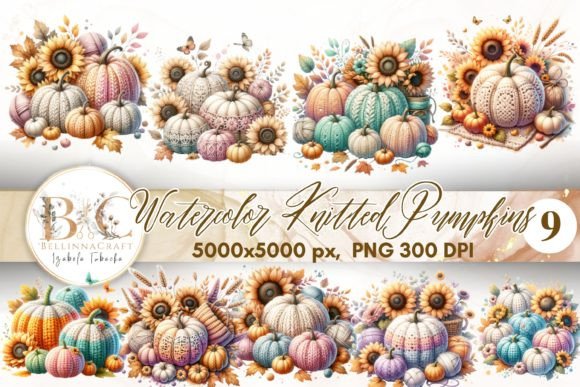
The immediate appeal of this collection lies in its hybrid nature. Unlike standard vector clipart that often feels flat or overly cartoonish, these pumpkins possess a tactile quality. The "knitted" aspect suggests texture, while the "watercolor" element implies softness. For a digitizer or embroiderer, this visual language is gold. It naturally lends itself to mixed-media techniques. When I look at these designs, I don't just see fill stitches; I see opportunities for combining satin stitch borders with textured fill stitch patterns to mimic the painted brushstrokes. The mood is undeniably cozy, making it ideal for projects that need to evoke warmth and nostalgia without feeling dated or kitschy.
Real-World Application: The Sweatshirt Test
To truly evaluate this asset, I mentally placed it in a current best-seller scenario: a custom embroidered sweatshirt for a boutique Etsy listing. Fall apparel is a massive market, and customers are increasingly seeking unique, handmade-feel items over generic factory prints. In this context, the Watercolor Knitted Pumpkins Clipart serves as more than just decoration; it acts as a focal point that communicates value.
For a crewneck sweatshirt project, the design’s organic edges are forgiving. Embroidery on fleece can sometimes look stiff if the artwork is too rigid. However, the watercolor aesthetic allows for slightly softer registration, meaning minor shifts during stitching won't ruin the final look. I envision using this as a center chest piece or a smaller pocket-sized motif. If you are creating custom apparel, this style bridges the gap between modern farmhouse and cottagecore, appealing to a broad demographic. For Etsy sellers, this specific visual style photographs beautifully in printable mockups because the soft colors translate well to digital previews, potentially increasing click-through rates before you even stitch a single sample.
Navigating Fabric Choices and Stabilizer Needs
While the design is versatile, it demands respect regarding substrate selection. Watercolor-style embroidery relies heavily on color blending and shading, which can get lost on the wrong fabric. Here is my practical assessment of where this design thrives and where it struggles:
- Ideal Surfaces: Cotton canvas tote bags, linen tea towels, and stable cotton quilting fabrics are perfect. These materials hold detail well and provide enough contrast for the watercolor effects to pop. A tote bag design featuring these pumpkins would be a strong seller at craft fairs due to the high visibility of the artwork.
- Challenging Surfaces: Be cautious with high-pile fabrics like terry cloth or plush minky unless you use a heavy water-soluble topping. The intricate details meant to simulate knitting or paint washes will sink into the pile. Similarly, stretchy knits require significant stabilization to prevent distortion of the delicate shapes.
- Dark Fabrics: Watercolor designs typically assume a light background. If stitching on black or navy, you must account for an underlay base or choose a version of the clipart specifically adapted for dark garments, otherwise, the subtle shading will disappear.
Always verify your stabilizer choice against the stitch density of the specific file you are using. Because watercolor styles often use variable density to create shading, testing on scrap fabric is non-negotiable.
Technical Considerations for Digitizers and Makers
If you are purchasing this as a digital embroidery file rather than raw PNG clipart, scrutinize the stitch types. True watercolor embroidery should avoid excessive jump stitches and trims. If you are digitizing this yourself from the illustration files, consider utilizing thread blending or gradient fills. For those buying pre-digitized versions, check if the design includes an applique design option. Appliqué is often superior for watercolor pumpkin designs because it reduces stitch count significantly while maintaining the shape's integrity, making it safer for baby embroidery items or lightweight garments where dense stitching causes puckering.
Pay close attention to the hoop size requirements. These pumpkins likely come in various dimensions. Resist the urge to resize them drastically. Reducing a complex watercolor design by 50% can cause thread breaks and loss of definition, while enlarging it may result in sparse coverage. Always stick to the manufacturer’s recommended size range or re-digitize for extreme scaling.
Commercial Viability and Brand Consistency
For small shop product lines and commercial embroidery businesses, consistency is key. The Watercolor Knitted Pumpkins Clipart offers a cohesive theme that can span multiple product categories. You could confidently place this design on a nursery pillow, a kitchen apron, and a holiday greeting card, and they would all feel like part of the same curated collection. This versatility maximizes your return on investment for the design asset.
However, a critical note for creative entrepreneurs: always confirm licensing. Just because a file is labeled as clipart does not automatically grant commercial rights for finished handmade products or digital redistribution. Before listing that personalized gift or selling the embroidered patch version, read the terms of use. Professionalism isn't just about stitch quality; it's about respecting intellectual property. Ensuring you have the correct license protects your business and builds trust with your customer base.
Final Verdict for the Seasonal Maker
After evaluating the visual weight, technical adaptability, and market relevance, I find the Watercolor Knitted Pumpkins Clipart to be a valuable addition to a fall embroidery library. It avoids the trap of being overly cutesy, leaning instead into a sophisticated, artisanal aesthetic that commands higher price points. Whether you are producing holiday embroidery for gifts or stocking your shop with seasonal staples, this design offers the warmth of traditional needlework with the efficiency of modern machine embroidery.
My advice is to start with a test stitch-out on your intended production fabric. Check the thread colors against the digital proof, as screen brightness often differs from rayon or polyester sheen. If the test run captures that signature knitted texture and watercolor softness, you have a winner. This design has the potential to elevate your finished product lineup from standard seasonal fare to something truly special that customers will cherish long after the leaves have fallen.