Watercolor Pink Little Princess Clipart Review
First Impressions: Translating Soft Art to Stitch
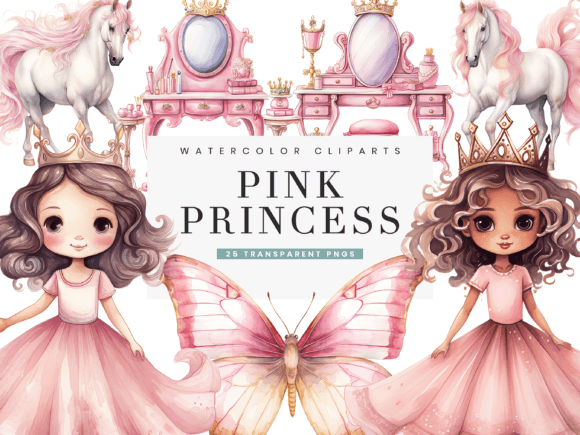
When I first opened the Watercolor Pink Little Princess Clipart file, my immediate thought was not about how cute it is on screen, but how those soft, blended edges will translate into thread. As an experienced embroidery designer and product reviewer, I have learned that digital illustrations often behave differently once they hit the hoop. This particular design carries a distinct whimsical mood with its pastel palette and fluid lines, making it instantly appealing for nursery decor and personalized gifts. However, the transition from pixel to stitch requires careful consideration. The watercolor aesthetic relies on color blending and transparency, which are challenging to replicate with standard machine embroidery techniques without specific digitizing strategies.
Visually, the layout feels balanced and centered, suggesting it was created with a focal point in mind rather than as a seamless pattern. For a crafter or Etsy seller, this composition is ideal for placement on the chest of a sweatshirt or the center of a tote bag. The personality of the artwork is gentle and nostalgic, avoiding harsh outlines that can sometimes make princess themes feel generic. Instead, it offers a boutique-quality vibe that aligns well with modern handmade businesses looking to elevate their custom apparel offerings beyond basic cartoon characters.
Real-World Application: The Custom Sweatshirt Test
To truly evaluate this asset, I mentally placed it into a recent client project: a custom embroidered sweatshirt for a toddler’s birthday party. In this scenario, the Watercolor Pink Little Princess Clipart needed to serve as the primary visual anchor. When working with fleece or French terry fabrics common in sweatshirt embroidery, the texture of the garment becomes a variable. The soft nature of this illustration actually complements the cozy fabric texture better than a rigid, high-density logo would.
For this specific application, I considered how the design interacts with the garment's drape. Because the clipart has organic edges rather than a heavy rectangular border, it sits naturally on the fabric without creating a stiff "bulletproof vest" effect. This is crucial for baby embroidery and children's custom apparel where comfort is just as important as aesthetics. If you are running a craft business or small shop, this versatility means one design asset can span multiple product categories. I can easily visualize this same graphic scaled down for a bib, enlarged for a nursery pillow cover, or adapted into an embroidered patch for denim jackets. The key value here is adaptability; the illustration does not lock you into a single niche, allowing for broader inventory planning.
Navigating Fabric Limitations and Hoop Constraints
While the design is versatile, practical experience dictates caution with certain substrates. Watercolor-style illustrations often require complex shading to maintain their identity. If you attempt to stitch this on highly textured fabrics like terry cloth or ribbed knits without proper preparation, the delicate details may get lost in the pile. Similarly, stretchy fabrics present a challenge. The fluid lines of the princess motif demand stability; if the fabric shifts during stitching, the registration between color layers will fail, ruining the watercolor illusion.
I also advise testing this design on dark fabrics before committing to a production run. Pastel pinks and soft whites rely heavily on contrast against light backgrounds. On black or navy garments, the design may appear washed out unless you employ a white underlay base or adjust your thread colors for higher saturation. Furthermore, consider your hoop size limitations. Intricate illustrations often lose clarity when scaled too small. Before purchasing or using this digital embroidery file, verify the minimum recommended dimensions. Shrinking a detailed watercolor piece below its intended threshold results in muddy stitch density and potential needle breaks. Always respect the digitizer’s sizing guidelines to preserve the integrity of the finished product.
Critical Designer Notes for Commercial Success
For fellow Etsy sellers and commercial embroidery professionals, integrating new design assets requires a disciplined workflow. Here are my non-negotiable checks before listing any item featuring this artwork:
- Stabilizer Selection: Do not rely solely on tear-away stabilizer for this style. Use a cut-away or no-show mesh to support the varying stitch densities typical of watercolor effects, especially on knit fabrics.
- Thread Color Verification: Digital screens lie. Always run a physical test stitch-out to match thread colors to the clipart. What looks like a soft blush pink on a monitor might stitch out as hot pink depending on your brand's thread palette.
- Licensing Confirmation: Before selling finished products or using the image in printable mockups, double-check the specific license terms. Ensure you have commercial rights for both physical goods and digital marketing assets.
- Density Check: Inspect the design file in your editing software. Look for areas where satin stitches might be too wide or fill stitches too dense for lightweight baby clothes. Adjust if necessary to prevent puckering.
- Mockup Accuracy: When creating listings, use realistic mockups that reflect actual stitch texture. Avoid flat digital overlays that mislead customers about the final tactile quality of the handmade product.
Elevating Brand Value Through Thoughtful Execution
The difference between a hobbyist project and a professional boutique item often lies in the finishing. Using Watercolor Pink Little Princess Clipart effectively can significantly boost customer trust and perceived value. When clients see that an embroidery design respects the original artistry—without jagged edges, poor registration, or inappropriate fabric pairing—they associate that quality with your entire brand. This is particularly true for holiday embroidery and special occasion gifts where emotional resonance drives purchasing decisions.
Moreover, this type of illustration supports strong brand consistency. Its timeless, soft aesthetic allows you to build a cohesive collection across seasons. Unlike trendy character licenses that expire or fade in popularity, a classic watercolor princess theme remains relevant for years, protecting your investment in design assets. Whether you are creating personalized gifts for individual clients or stocking ready-to-ship items for a craft fair, the goal is to let the design enhance the product, not overpower it.
Ultimately, successful embroidery is a dialogue between the digital file and the physical medium. This clipart offers a beautiful starting point, but your expertise brings it to life. By approaching this design with a critical eye toward stitch mechanics and end-use functionality, you transform a simple digital download into a profitable, cherished tangible good. Always test, always verify, and never underestimate the importance of matching the right art to the right fabric. Your reputation as a maker depends on these thoughtful distinctions.