Cute House Watercolor Clipart: An Embroidery Review
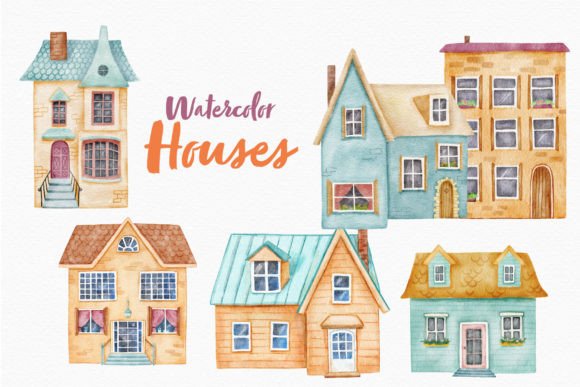
As a professional embroidery designer and product reviewer, I approach every new digital asset with a specific question: will this actually stitch out beautifully on fabric? When evaluating the Cute House Watercolor Clipart Bundle PNG, my first impression was one of warmth and nostalgic charm. The illustrations possess a soft, hand-painted aesthetic that immediately suggests nursery decor, cottagecore apparel, or personalized housewarming gifts. However, translating watercolor art into thread requires more than just liking the picture; it demands a critical eye for detail, color blending, and structural integrity. This review breaks down how these digital assets perform when moved from screen to hoop, specifically for makers running a craft business or creating high-end handmade products.
Translating Soft Aesthetics to Thread
Watercolor clipart is notoriously tricky for machine embroidery because the medium relies on fluid gradients and transparency, while embroidery relies on solid thread coverage. Upon inspecting the Cute House Watercolor Clipart Bundle PNG, I looked for defined edges and distinct color blocks. For an embroidery project to succeed, the digitizer must interpret those soft washes into manageable fill stitch areas rather than attempting to replicate every pixelated brushstroke.
In a real-world scenario, I envision using this bundle for a custom embroidered tote bag intended as a boutique product. The whimsical nature of the houses fits perfectly on natural canvas or linen. However, because watercolor styles often lack harsh outlines, I would recommend pairing these designs with a subtle running stitch border or incorporating them as an applique design. This provides the necessary structure to prevent the design from looking muddy or losing definition once stitched. If you are an Etsy seller offering personalized gifts, this style communicates a high-value, artisanal feel, but only if the stitch density is balanced to preserve that airy watercolor look without becoming a bulletproof patch of thread.
Real-World Application: The Custom Sweatshirt Test
To truly evaluate commercial viability, let’s consider a specific case study: creating a line of autumn-themed sweatshirts for a small shop product launch. Sweatshirt fleece is textured and stretchy, which can be hostile to intricate details. When reviewing the Cute House Watercolor Clipart Bundle PNG for this application, I focused on scalability and legibility.
For sweatshirt embroidery, the design needs to be large enough to accommodate the fabric texture. Tiny windows or delicate roof shingles present in the original illustration might get lost in the fleece nap. I would advise digitizing these houses at a minimum of 4x4 inches to ensure clarity. The soft color palette of the clipart lends itself beautifully to vintage-washed apparel, but you must verify thread colors against the actual garment. A pastel pink house that looks lovely on a white screen might disappear entirely on a cream-colored sweatshirt. Always test your thread colors on scrap fabric first. For this specific project, increasing the spacing between satin stitch columns and utilizing lighter fill stitch patterns would help maintain the garment's drape, ensuring the finished product remains comfortable and wearable rather than stiff and heavy.
Navigating Fabric Limitations and Hoop Constraints
While the Cute House Watercolor Clipart Bundle PNG offers versatile imagery, not every surface is suitable. As experienced makers know, context dictates success. Here is where caution is required:
- Stretchy Fabrics: On knits or jersey, watercolor-style fills can cause puckering if the stitch density is too high. Use a cut-away stabilizer and consider a topping to keep stitches from sinking into the fabric weave.
- Dark Fabrics: Watercolor art typically assumes a light background. Stitching these designs directly onto black or navy fabric will result in poor contrast unless you add a white underlay base or choose designs from the bundle that feature darker, more saturated tones.
- Curved Surfaces: Avoid placing detailed house illustrations on caps or curved sleeves. The distortion inherent in hooping curved items will warp the straight architectural lines of the houses, making them look unintentionally crooked.
- Small Hoop Sizes: Resist the urge to shrink these designs down to 2x2 inches for baby onesies or cuffs. The complexity of watercolor shading requires space. If you need a smaller motif, crop the design to focus on a single element, like a door or window, rather than resizing the entire image.
Impact on Brand Value and Customer Perception
For creative entrepreneurs and digital product sellers, the visual appeal of your listings matters as much as the physical stitch-out. The Cute House Watercolor Clipart Bundle PNG excels in creating printable mockups that drive buyer engagement. The soft, artistic quality photographs well and signals "handmade" and "thoughtful" to potential customers browsing Etsy or social media.
However, trust is built on consistency. If your digital preview shows a seamless watercolor blend but the physical embroidered patch looks blocky and over-dense, customer satisfaction drops. Professionalism means aligning expectations. When listing items made with this bundle, use close-up photos of the actual stitching alongside the digital rendering. This transparency highlights the unique texture of embroidery while honoring the original art style. For those selling commercial embroidery files derived from this bundle, clearly communicate recommended fabric types and stabilizer requirements. Your reputation as a digitizer or seller depends on the end-user's success, so providing technical guidance adds immense value to your design assets.
Essential Designer Notes Before You Stitch
Before committing this bundle to a production run or a cherished personalized gift, run through this practical checklist. These steps separate hobbyist attempts from professional results:
- Verify Licensing: Confirm whether your purchase includes commercial rights for finished products, digital embroidery files, or both. Never assume usage terms; check the specific license provided with the Cute House Watercolor Clipart Bundle PNG.
- Test in Black and White: View the clipart in grayscale before digitizing. This reveals the true value contrast independent of color. If the house blends into the background in black and white, it will lack definition in thread.
- Audit Stitch Density: Watercolor styles should feel light. If your software auto-digitizes with standard density, manually reduce it by 10-15% to mimic the translucent feel of paint and prevent fabric distortion.
- Check Small Details: Inspect corners and tiny accents. Anything smaller than 1mm in width should be converted to a running stitch or removed entirely. Satin stitches below this threshold will fray and break.
- Validate File Formats: Ensure the source PNG resolution is high enough (300 DPI minimum) for clean tracing. Low-resolution sources lead to jagged edges and frustrating digitizing sessions.
- Sample on Target Fabric: Never skip the test stitch. What works on cotton quilting fabric may fail on terry cloth tea towels or denim aprons. Adjust tension and stabilizer based on the specific substrate.
Final Thoughts for Makers
The Cute House Watercolor Clipart Bundle PNG holds significant potential for embroidery designers seeking to create emotive, story-driven products. Its strength lies in its ability to evoke comfort and domestic bliss, making it ideal for holiday embroidery, nursery themes, and heirloom-quality gifts. Success with this bundle requires respecting the translation process from pixel to stitch. By prioritizing appropriate sizing, managing density for fabric compatibility, and maintaining honest visual representation in your marketing, you can turn these charming illustrations into profitable, professional-grade embroidery projects. Remember, the best design asset is one that respects both the art and the mechanics of the machine.