Watercolor Gothic Bow Clipart: An Embroidery Review
As a professional embroidery designer and product reviewer, I approach every new digital asset with a specific question: will this actually stitch out beautifully on fabric? When evaluating Watercolor Gothic Bow Clipart, my focus shifts immediately from screen aesthetics to needle performance. This design sits at a fascinating intersection of soft, painterly illustration and structured gothic typography. For makers, Etsy sellers, and apparel decorators, understanding how these two visual languages translate into thread is the difference between a failed sample and a best-selling handmade product.
First Impressions and Visual Personality
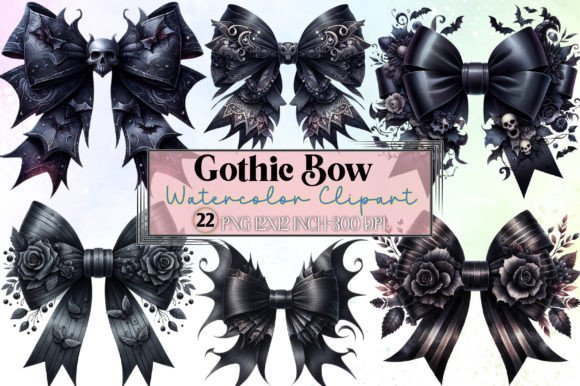
My initial assessment of this Watercolor Gothic Bow Clipart reveals a moody yet delicate aesthetic. The "watercolor" aspect suggests fluid edges and color blending, while "gothic" implies sharp serifs and dramatic contrast. In the realm of Illustrations, this combination creates a romantic, vintage vibe that feels distinct from standard cartoonish bows or rigid traditional gothic fonts. For a creative entrepreneur, this mood is highly marketable. It appeals to customers looking for alternative nursery decor, dark academia fashion, or unique holiday gifts that avoid cliché seasonal tropes.
However, as an experienced digitizer, I see immediate challenges and opportunities. Watercolor effects in machine embroidery design rely heavily on complex fill stitches and thread blending to mimic paint. The gothic elements require crisp satin stitches or precise running stitches to maintain legibility. The success of this design depends entirely on whether the digitizer has balanced these opposing textures without creating excessive stitch density or registration issues.
Real-World Application: The Custom Sweatshirt Test
To truly judge this asset, I mentally placed it in a real-life production scenario: preparing a custom embroidered sweatshirt for a boutique client who wants a personalized gift with an edgy but feminine touch. Sweatshirt embroidery is a common request for small shop products, but fleece presents specific hurdles. The fabric texture can swallow fine details, and the stretch requires careful stabilizer selection.
In this context, the Watercolor Gothic Bow Clipart would serve as a central chest motif or a subtle sleeve accent. If used on a cream-colored heavyweight fleece, the gothic lettering needs enough underlay to prevent sinking, while the watercolor bow sections must utilize varied thread colors to create depth without becoming bulletproof. A flat, single-color fill stitch would ruin the illusion of watercolor. As a reviewer, I look for a digital embroidery file that includes proper shading sequences. If the design relies solely on print-to-stitch or overly dense fills, it may feel stiff on a garment meant for comfort. For a craft business owner, verifying that the design retains its softness after stitching is crucial for customer satisfaction and brand consistency.
Navigating Fabric Choices and Hoop Constraints
Versatility is key for commercial embroidery assets, but not every design suits every surface. Here is my practical breakdown of where this Watercolor Gothic Bow Clipart performs best and where caution is required:
- Tote Bag Design and Canvas: This is an ideal substrate. The stable weave of canvas supports the detail level typically found in watercolor-style illustrations. The gothic elements will remain sharp, and the bag’s durability allows for higher stitch counts without distortion.
- Baby Embroidery and Onesies: Proceed with care. Baby clothes require lightweight, breathable stitching. If the watercolor effect is achieved through high-density layering, it could irritate sensitive skin or make the garment heavy. Always check the total stitch count before committing to baby items.
- Caps and Curved Surfaces: Generally avoid using full watercolor designs on caps unless specifically digitized for curved hoops. The complex color changes and potential alignment marks in painterly styles often fail on the limited flat sewing field of a hat frame.
- Dark Fabrics: Watercolor effects often assume a light background to show transparency. On black or navy fabric, the design may require a white underlay base, which significantly increases stitch density. Test on scrap fabric first to ensure the colors pop against the dark background without becoming too thick.
- Tea Towels and Linens: Excellent application. The natural drape of linen complements the flowing nature of the bow, and the fabric stability handles the intricate gothic serifs well.
Technical Considerations for Makers and Sellers
For those selling finished products or digital design assets, technical integrity builds trust. When reviewing this Watercolor Gothic Bow Clipart for your own library, consider the following professional notes:
Stitch Density and Stabilizer Pairing
Watercolor simulations in embroidery are notorious for density spikes. Before running this on a final product, inspect the design in your editing software. Look for areas where satin stitches overlap with complex fills. If the density exceeds 0.4mm spacing in multiple layers, you risk needle breaks or fabric puckering. Use a high-quality cutaway stabilizer for stretchy fabrics like sweatshirts and t-shirts to support the weight of the design. For woven fabrics like aprons or pillow covers, a medium-weight tear-away may suffice, but always test first.
Thread Color Management
The beauty of this style lies in color variation. Ensure your embroidery file includes a clear color chart. If you are substituting thread colors, remember that watercolor effects depend on optical mixing. Changing a pale pink to a bright red might destroy the gradient effect. For commercial embroidery projects, document your successful thread palette so you can replicate the exact look for repeat customers.
Sizing and Aspect Ratio
Gothic typography loses readability when shrunk too small. While the bow element might scale down gracefully for a patch or pocket logo, the text components have minimum size thresholds. Verify the smallest recommended hoop size provided by the digitizer. Resizing a complex illustration beyond 10-15% can distort stitch angles and ruin the watercolor texture. If you need a smaller version, seek a file specifically digitized for that size rather than shrinking the master file.
Commercial Viability and Presentation
Beyond the machine, how does this design sell? For Etsy sellers and handmade shop owners, presentation is everything. The Watercolor Gothic Bow Clipart offers strong visual appeal for printable mockups because of its distinct style. However, buyers are increasingly savvy about the difference between digital art and actual embroidery.
When listing items featuring this design, use photos of the stitched product alongside the digital preview. Show close-ups of the texture to prove the watercolor effect translates well to thread. Highlight the quality of the satin stitch borders and the clarity of the gothic lettering. This transparency reduces returns and builds confidence in your craftsmanship. If you are selling the digital embroidery file itself, provide detailed usage notes regarding fabric compatibility and stabilizer recommendations. This added value distinguishes professional design assets from generic downloads.
Final Verdict for Creative Entrepreneurs
The Watercolor Gothic Bow Clipart represents a sophisticated niche in the embroidery market. It bridges the gap between trendy cottagecore aesthetics and enduring gothic romance. For the experienced maker, it offers a rewarding stitching experience that yields high-value finished products. For the business owner, it provides a unique selling proposition that stands out in crowded marketplaces.
Success with this design requires respecting its technical demands. Treat it as a premium asset that deserves proper testing, appropriate fabric pairing, and thoughtful execution. Whether you are creating a personalized gift, expanding your boutique inventory, or enhancing your digital product catalog, this design has the potential to elevate your portfolio. Just remember: in embroidery, the most beautiful screen image is only a promise. The stitch-out is the proof. Always validate that promise on scrap fabric before committing to your final masterpiece.